Discover how JPG Global Immigration helps applicants avoid fake immigration scams through transparent communication, ethical practices, and regulated RCIC guidance.
Immigration scams have become a growing concern for people planning to study, work, or settle abroad. Every year, thousands of applicants lose money, submit incorrect applications, or become victims of fake promises made by unauthorized immigration agents.
As Canadian immigration rules continue to evolve, applicants need trustworthy guidance more than ever. This is why choosing a transparent and compliance-focused immigration consultancy is critical.
JPG Global Immigration focuses on ethical immigration practices, transparent communication, and regulated guidance to help applicants avoid common immigration scams and misinformation.
Understanding Immigration Scams
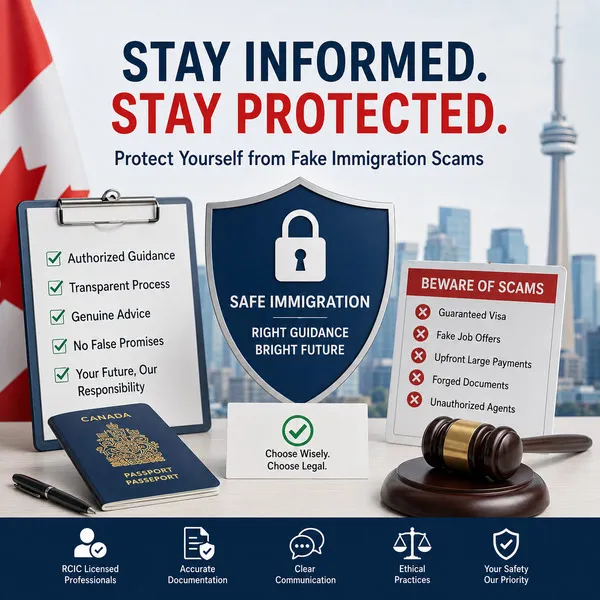
Fake immigration scams can appear in many forms. Some unauthorized agents promise guaranteed visas, fake job offers, or unrealistic processing timelines to attract applicants.
Common immigration scams include:
- Fake visa guarantees
- Fraudulent job offers
- False LMIA promises
- Fake college admissions
- Forged documentation
- Unauthorized immigration representation
- Hidden charges and misleading contracts
Many applicants fall into these traps because they are unfamiliar with immigration laws and official procedures.
Why Immigration Fraud Is a Serious Issue
Canadian immigration authorities take fraud and misrepresentation very seriously.
Immigration, Refugees and Citizenship Canada (IRCC) has strict rules regarding:
- False documents
- Misleading information
- Fake employment records
- Unauthorized representatives
- Fraudulent applications
Submitting incorrect or fake information can lead to:
- Visa refusals
- Application bans
- Legal consequences
- Loss of money
- Long-term immigration complications
Because of these risks, applicants should always verify who they are working with before starting any immigration process.
How JPG Global Immigration Helps Protect Applicants
1. Transparent Immigration Guidance
JPG Global Immigration believes in providing realistic immigration advice based on eligibility and official immigration requirements.
Applicants are informed about:
- Genuine eligibility criteria
- Required documentation
- Expected processing timelines
- Program limitations
- Potential challenges
This helps individuals make informed decisions instead of relying on false promises.
2. Support Under Licensed RCIC Standards
Authorized immigration representation is one of the most important protections for applicants.
The consultancy works under regulated RCIC guidance with publicly available professional details:
- Full Name: John Paul
- RCIC College ID: R706766
- License Type: RCIC (Class L2)
RCIC professionals are regulated by the College of Immigration and Citizenship Consultants (CICC), which establishes professional and ethical standards for immigration representation.
This helps applicants avoid unauthorized or unverified immigration agents.
3. No False Visa Guarantees
One major sign of an immigration scam is a “guaranteed visa” promise.
No consultant or agency can legally guarantee visa approval because final decisions are made only by Canadian immigration authorities.
JPG Global Immigration focuses on application accuracy and proper guidance instead of misleading guarantees.
4. Encouraging Genuine Documentation
Document fraud is one of the most common reasons for immigration refusals.
Applicants are guided to provide:
- Authentic educational records
- Genuine work experience documents
- Valid financial proofs
- Accurate personal information
Maintaining document authenticity is essential for legal and successful immigration processing.
5. Clear Communication Throughout the Process
Scam agencies often avoid transparency after receiving payments.
Professional immigration support should include:
- Regular communication
- Proper process explanations
- Documentation guidance
- File status updates
- Honest answers regarding eligibility
Applicants should always understand what stage their application is in and what steps are being taken.
Warning Signs of Fake Immigration Consultants
Before selecting any immigration consultancy, applicants should watch for these red flags:
Unrealistic Promises
If someone guarantees visas, PR approval, or jobs in Canada without proper assessment, it may indicate fraud.
Fake Job Offers
Many scammers misuse LMIA-based job opportunities to collect money from applicants.
Pressure Tactics
Fraudulent agents often create urgency and pressure applicants into immediate payments.
No RCIC Verification
Always verify whether immigration representation is connected to authorized RCIC professionals.
Lack of Transparency
Hidden charges, incomplete contracts, or unclear procedures can be warning signs.
Tips to Stay Safe from Immigration Fraud
To protect yourself from fake immigration scams:
- Verify RCIC licensing details
- Check company transparency
- Avoid guaranteed visa claims
- Never submit fake documents
- Request written agreements
- Understand the immigration process before paying fees
- Cross-check information with official Canadian immigration sources
Being informed is one of the strongest protections against fraud.
Why Ethical Immigration Guidance Matters
Immigration is not only about submitting forms. It is a legal and life-changing process that requires responsibility, accuracy, and ethical practices.
A professional immigration consultancy should focus on:
- Transparency
- Legal compliance
- Accurate guidance
- Ethical representation
- Applicant awareness
These standards help build long-term trust and reduce the risks associated with fraudulent immigration practices.
Final Thoughts
Immigration scams continue to affect applicants worldwide, making it important to choose an immigration consultancy carefully.
JPG Global Immigration emphasizes ethical immigration support, transparent communication, and regulated RCIC guidance to help applicants navigate Canadian immigration safely and responsibly.
By understanding immigration rules, verifying authorized representation, and avoiding unrealistic promises, applicants can better protect themselves from fake immigration scams and make informed decisions about their future.